
Cold Facts, the Magazine of the Cryogenic Society of America
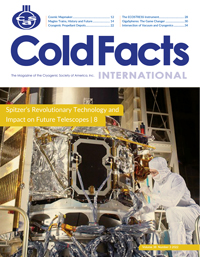
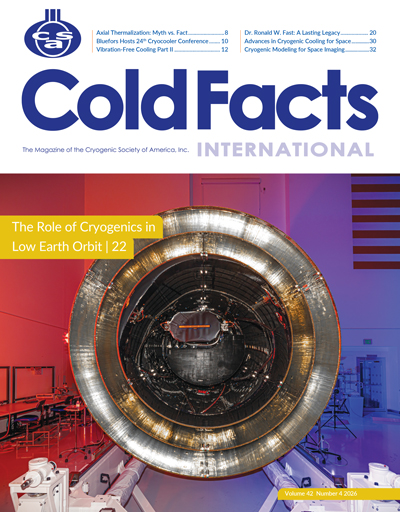
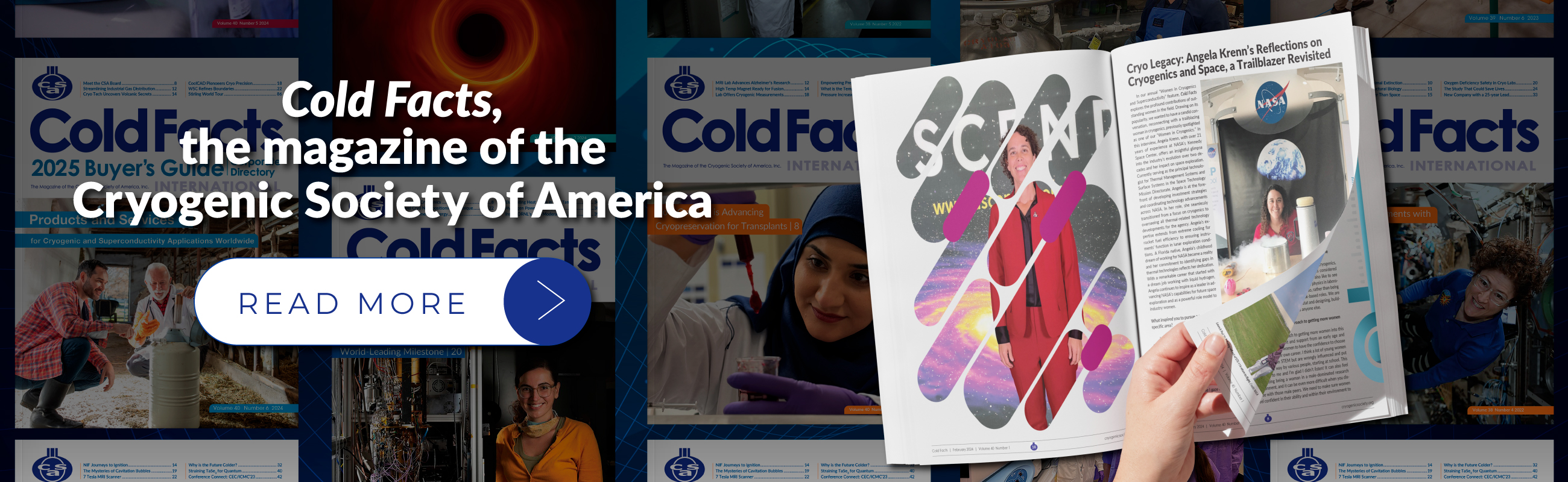
Cold Facts, an internationally recognized and respected publication, is the magazine of the Cryogenic Society of America. It is published six times a year and delivered to every member of the CSA. It reaches more than 3,000 qualified readers per issue.
Cold Facts is the only magazine exclusively dedicated to the science and technology of very low temperatures. No other publication focuses on cryogenic engineering and applications as does Cold Facts.
LEARN MORE
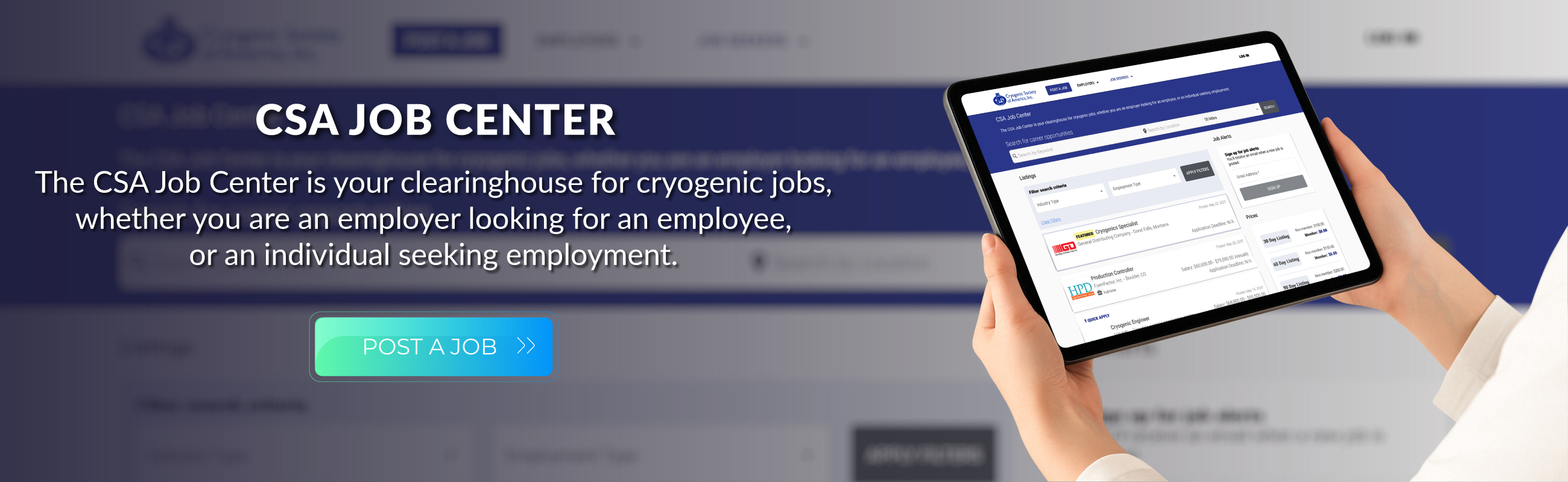
CSA Job CenterThe CSA Job Center is your clearinghouse for cryogenic jobs, whether you are an employer looking for an employee, or an individual seeking employment. CSA Awards and Recognitions
The Cryogenic Society of America has established several awards to honor persons who have contributed to the industry and to the Society in a variety of ways. We are pleased to honor their leadership. Nominations are welcome for the various awards. LEARN MORE ABOUT AWARDSSubscribe to CSA Newsflashes
CSA Newsflashes are short notices of breaking news of interest to the cryogenic community. These emails are issued as necessary (about 2 per week) and include notice of editorial deadlines for upcoming issues of Cold Facts, announcements of courses, conferences and other events and opportunities in our field and other valuable information. SUBSCRIBE TO CSA NEWSFLASHESCSA's Cryogenic Buyer's Guide
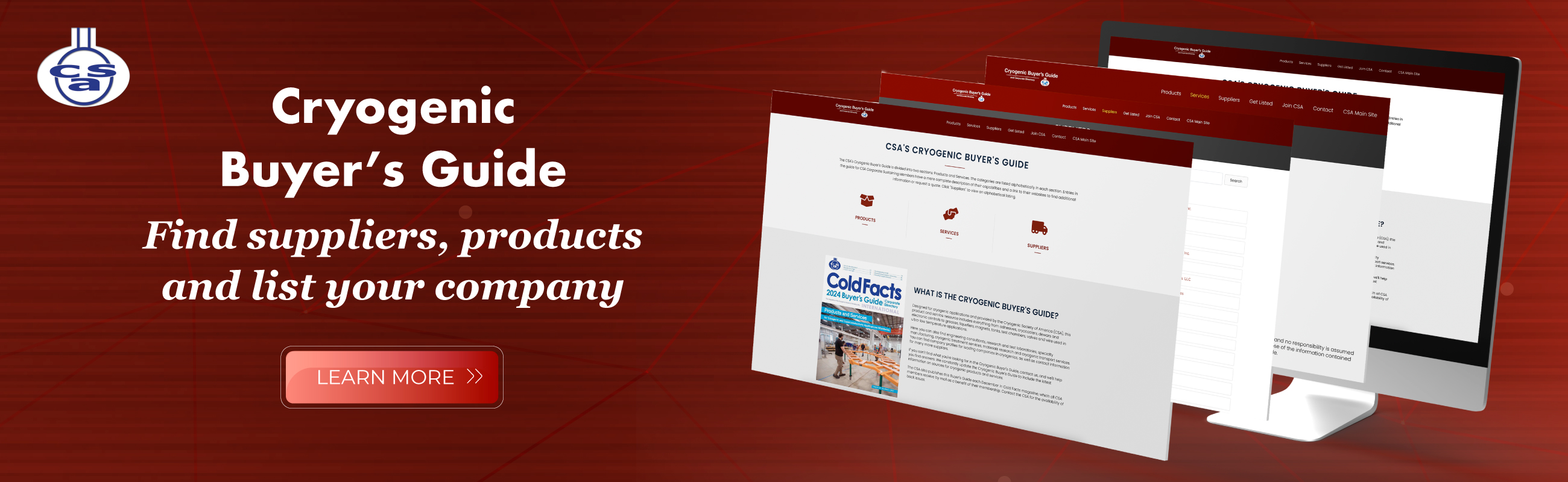
This resource of products and services designed for cryogenic applications, includes everything from adhesives, cryocoolers, and dewars to greases, liquefiers, magnets, and wire used in ultra-low temperature applications. VISIT THE BUYER'S GUIDESubscribe to CSA's CryoChronicle
CryoChronicle is a free monthly e-newsletter published by the Cryogenic Society of America (CSA). Focused on the latest news and information in cryogenics and superconductivity, CryoChronicle brings you up-to-date information on research projects, developments and events in the field, as well as news on products, companies, and the national labs. SUBSCRIBE TO CSA'S CRYOCHRONICLE |




Upcoming Events
Mon Feb 15, 2027IREF27: IRradiation Effects on HTS for Fusion Category: Industry Event (Non-CSA Sponsored) |
Sun Jun 13, 2027CEC/ICMC 2027: Cryogenic Engineering Conference and International Cryogenic Materials Conference 2027 Category: Industry Event (Non-CSA Sponsored) |
View Full Calendar
|
[Contact Jamie Luedtke for Newsletter Sponsorship] |
 High-performance, highly reliable, long-lasting storage tanks for transporting hydrogen& helium molecules around the globe.