

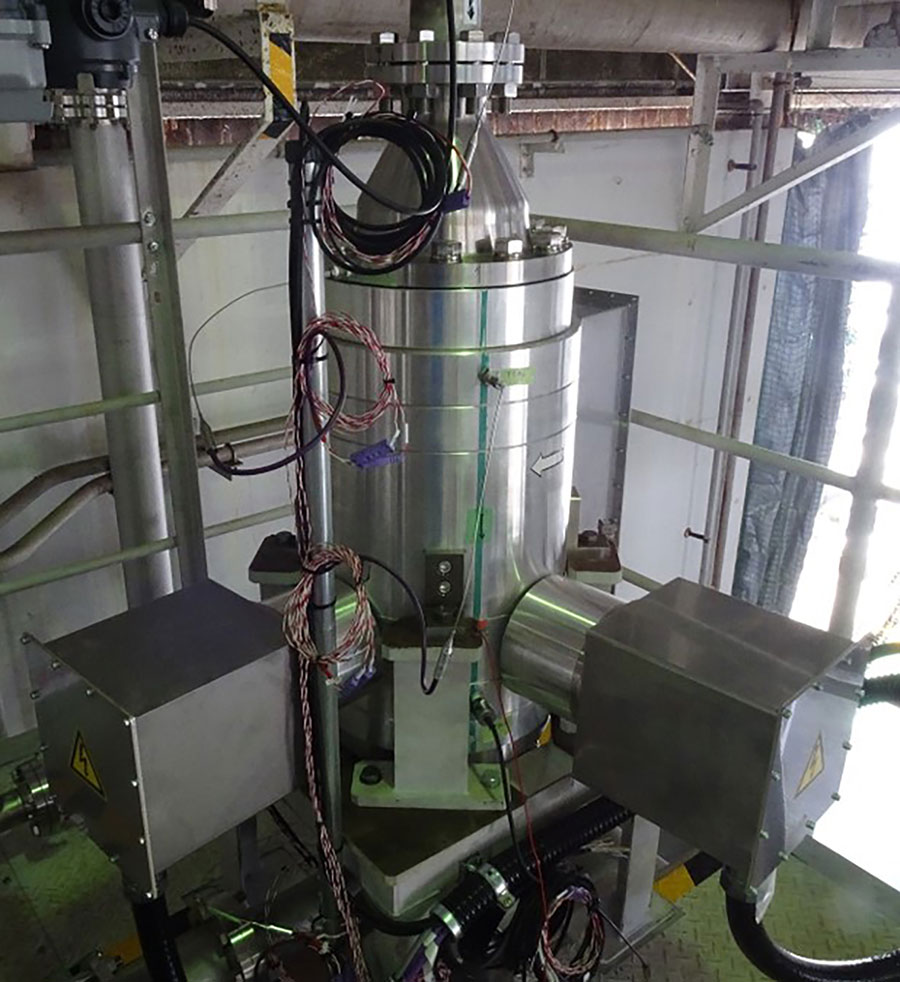
 Mitsubishi Heavy Industries, Ltd. (MHI) and Mitsubishi Heavy Industries Marine Machinery and Equipment Co., Ltd. (MHI-MME), a wholly owned operating company of MHI based in Nagasaki, have successfully conducted demonstration testing of 100 kW class cryogenic ORC (Organic Rankine Cycle) power generation using the world’s first “next-generation oilless cryogenic turbine generator.” The innovative generator adapts the turbine generator featuring a hermetically sealed oilless structure, of the kind used in ORC generation, to cryogenic power generation. The testing demonstrated that with use of liquid nitrogen as the cryogenic energy source it is possible to secure a stable refrigerant cycle and the specified regeneration output without freezing-induced clogging, etc. even under conditions more severe than the low temperatures of conventional LNG (liquefied natural gas) cryogenic generation.
Students Design Experimental Fuel System To Power Liquid-Propellant Rocket Engines
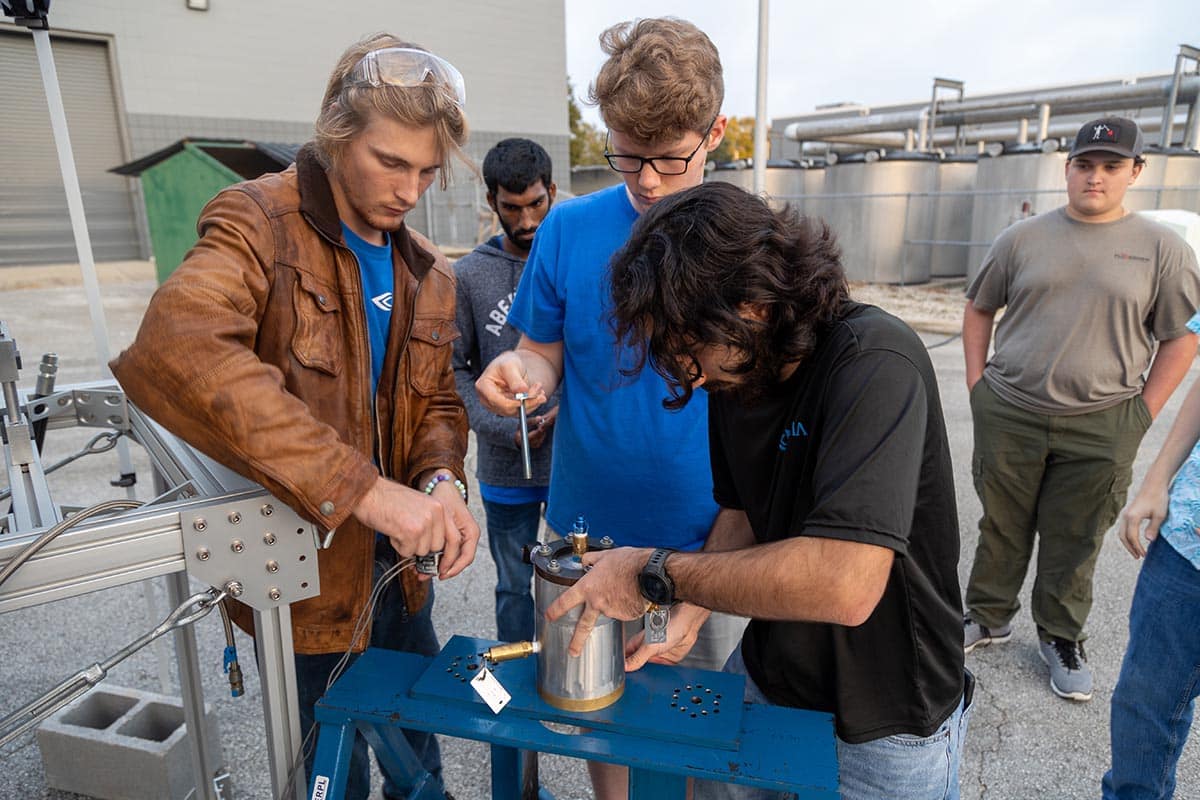 Aerospace Engineering students Alex Clay and Samir Ahmed have spent the past four years at Embry-Riddle Aeronautical University manufacturing complex liquid-propellant rocket engines. Now, as they near graduation, there is one last thing they’d like to do: Prepare for ignition. Along with fellow members of the university’s Experimental Rocket Propulsion Laboratory (ERPL), the two have built a state-of-the-art fuel-feed system in hopes of accomplishing that very goal. If successful, the hardware will offer future generations of rocketry students a safe and consistent way to field test their designs — which, according to sophomore Aerospace Engineering student Taylor Koehn, is currently the “most significant bottleneck” in the process of engine building.
Read More
BCCK Boosts Propane Recovery with Next-Generation Technology at Cryogenic Gas Processing Facility
 BCCK, a leader in engineering, procurement, fabrication and field construction services, has applied patent-pending technology, G2R-Flex®, to provide enhanced propane recovery for a premier midstream group in Ohio’s Marcellus-Utica Basin. Utilizing a skidded BCCK patent-pending design, G2R-Flex® improved current 200 MMSCFD GSP facilities' propane recoveries to greater than 99 percent in ethane rejection and can also be applied to improve performance in ethane recovery.
Read More
 GenH2, an industry leader in hydrogen infrastructure solutions, announced that the company has signed a partnership agreement with H2 Genesis, a leading liquid hydrogen infrastructure and operations company, to deliver liquid hydrogen across North America. In their first collaboration, GenH2, as manufacturer, and H2 Genesis, as owner-operator, will deploy the GenH2 LS20 Mobile Liquid Hydrogen System, an end-to-end liquefaction and storage system, to several locations in the United States starting with Florida.
Read More
First Measurements of Hydrogen-Boron Fusion in a Magnetically Confined Fusion Plasma
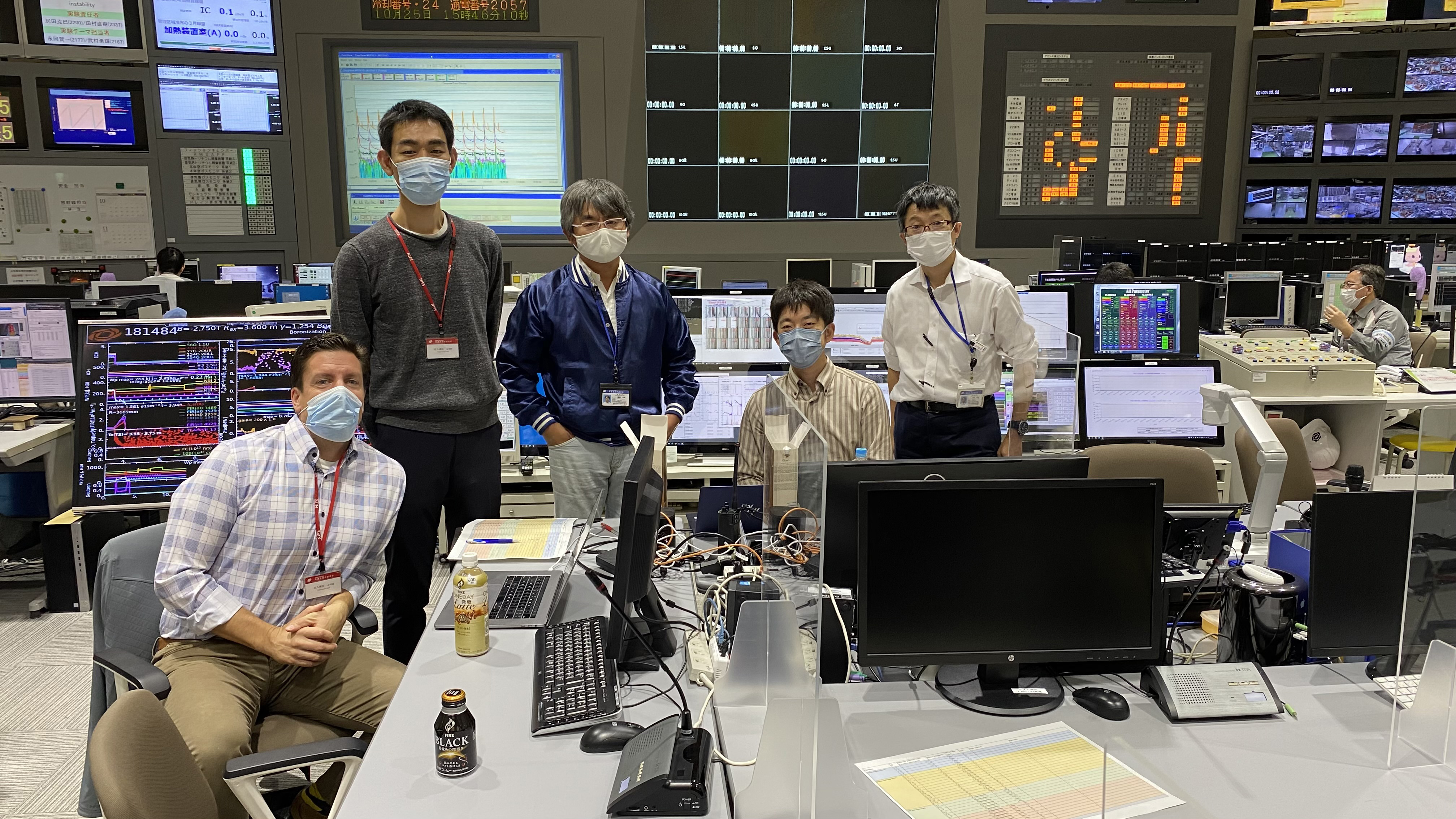 As fusion developers around the world race to commercialize fusion energy, TAE Technologies has pioneered the pursuit of the cleanest and most economical path to providing electricity with hydrogen-boron (also known as p-B11 or p11B), an abundant, environmentally sound fuel. Recently, the company announced, in collaboration with Japan’s National Institute for Fusion Science (NIFS), a noteworthy research advancement: the first-ever hydrogen-boron fusion experiments in a magnetically confined fusion plasma.
Read More
 CSA’s annual Young Professionals introduces outstanding engineers, scientists, and technicians (under 40) who are making fascinating contributions to the cryogenics and superconductivity industries. Debuted in the summer of 2006, this spotlight shines on future leaders who show the promise of making a difference in their fields.
Read More
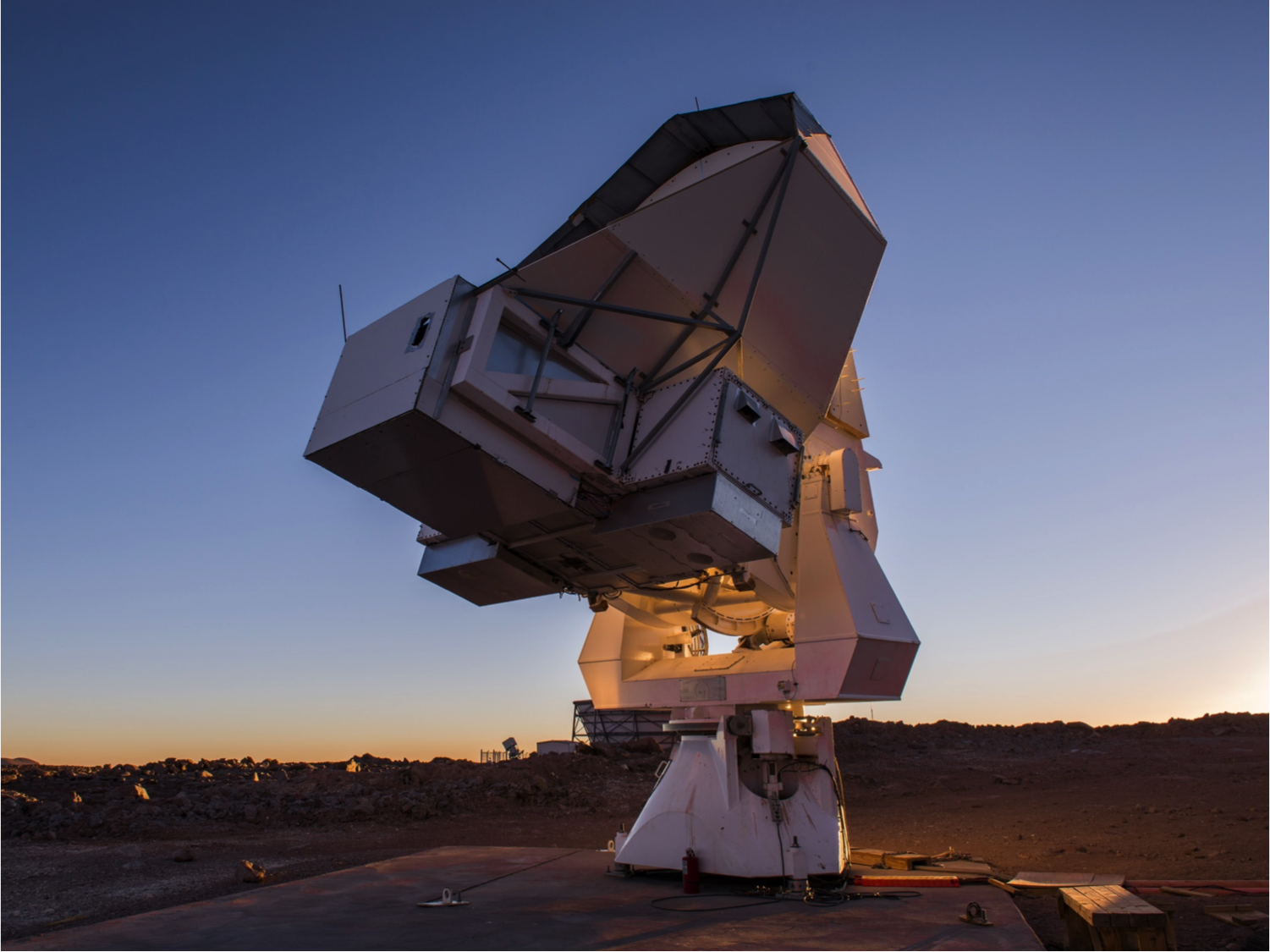 Making advances in science requires the proper tools. Often those tools must be developed by scientists themselves. That’s the story of most science missions studying Cosmic Microwave Background radiation (CMB). Sub-Kelvin coolers developed by Chase Research Cryogenics (CSA CSM) have played a strategic role in many of these missions. Let’s look at two exciting examples.
Read More
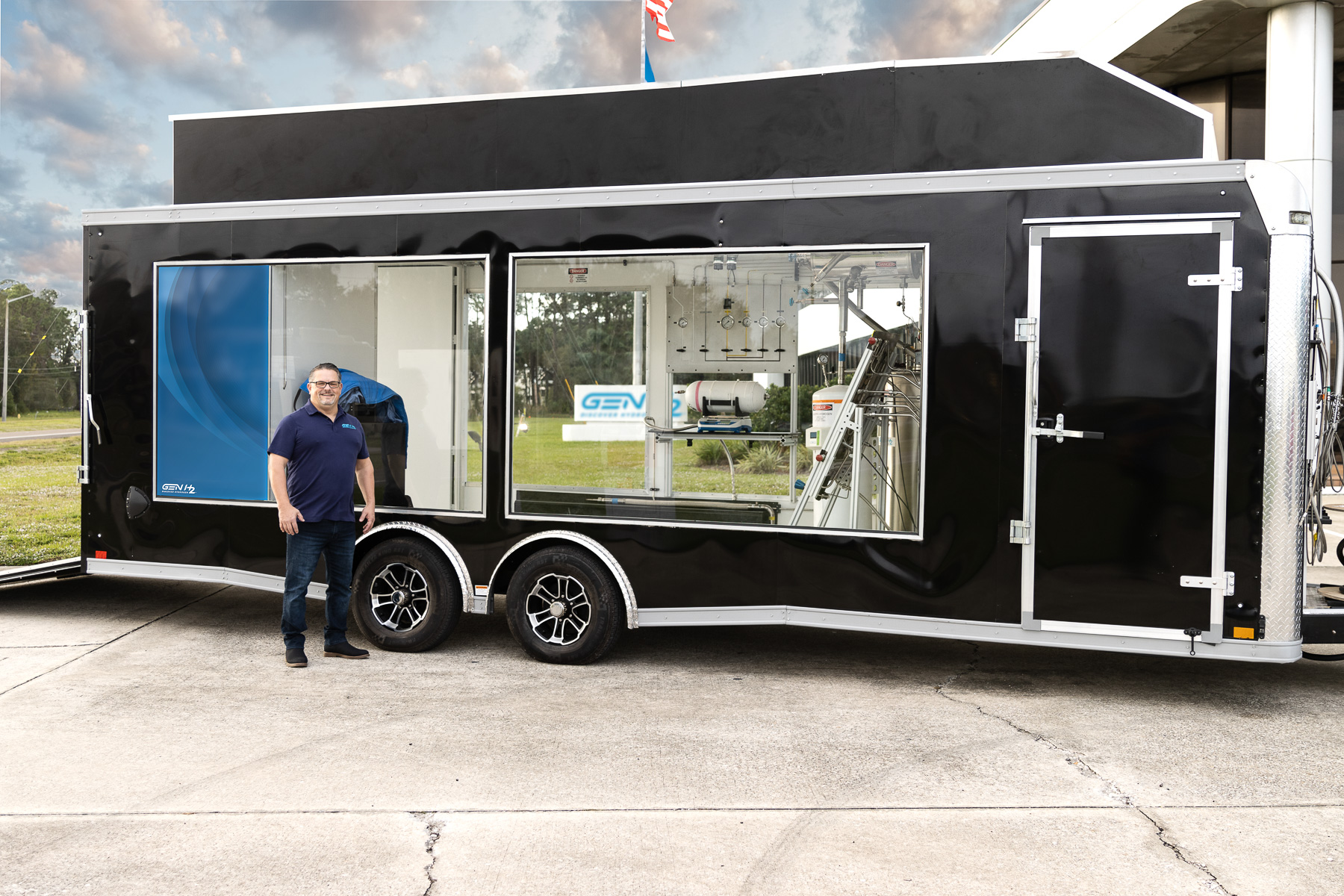 GenH2, an industry leader in hydrogen infrastructure solutions, announced the launch of its groundbreaking LS20 mobile liquid hydrogen system, an end-to-end liquefaction and storage system. The innovative, mobile liquefaction unit offers a space-optimized, fully integrated liquid hydrogen solution to be used in a range of applications from transportation to energy backup, to accelerating the use of liquid hydrogen through pilot projects and testing. It will also be utilized as a lab setting for testing material, insulation, thermodynamic properties and use cases for its applications.
Read More
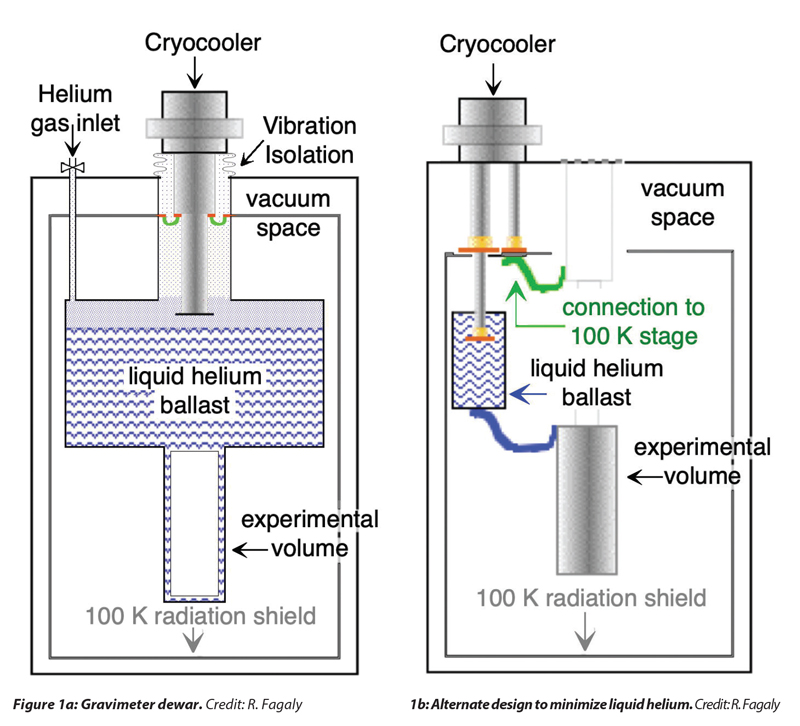 The Need for Vibration-Free Cryogenics The measurement of local gravitational fields requires continuous, high precision and extremely stable measurements. In 1968, the development of the superconducting gravity meter (SG)[1] vastly improved the state of the art. In contrast to mechanical quartz or metal springs, SGs use a superconducting sphere levitated in an ultra-stable magnetic field generated by persistent currents in a pair of superconducting coils. This cryogenic design enabled sensitivities that can exceed 10-10 m/sec2 (i.e., 0.01 ppb of the earth’s gravitational field) and drifts less than 60 nm/sec2/year. Many gravity measurements (hydrology, volcanology, geothermal energy and postglacial rebound) require durations that last years, and, in many cases, decades. To fulfill this need, extremely long hold time cryostats were developed to maintain the SG at operational temperatures close to 4 K. Special techniques were also developed to prevent cryocooler-induced accelerations from contaminating the geophysical signals of interest. While most superconducting quantum interference device (SQUID) measurement systems[2] do not require multiyear measurement times, they benefit from improved cryogenic systems that minimize or eliminate the expenditure of liquid helium.
Read More
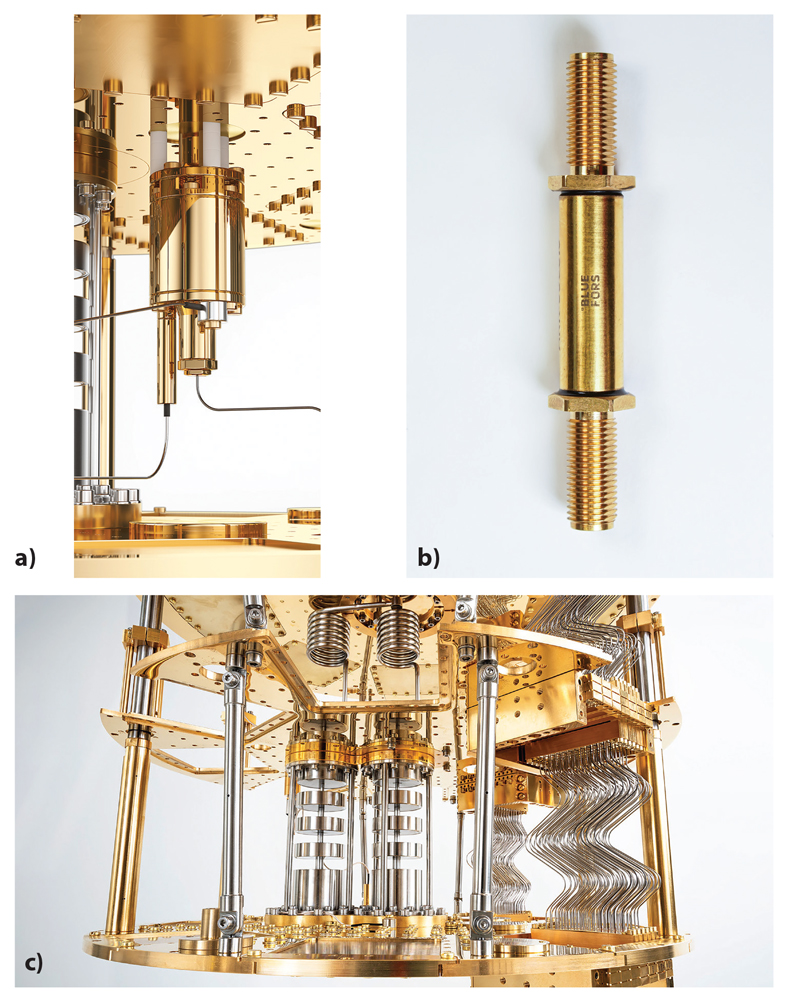 Necessity of mK-Cryogenics-During the past years, advances in both lithography and millikelvin cryogenics have supported and enabled vast improvement in the sophistication of experimental research on electrical circuits that display uniquely quantum mechanical behavior. It comes as no surprise that dilution refrigerator measurement systems have moved beyond basic physics research contraptions, and into central focus in the new era of quantum engineering. Achieving millikelvin temperatures remains a prerequisite for many of the leading hardware candidates for quantum computing with solid-state devices. For example, superconducting quantum circuits need temperatures low enough to keep microwave thermal photon populations on the chip negligible. In addition, the amplifiers that are typically required to achieve high-fidelity dispersive readouts are also based on superconductors and operate at the lowest noise temperatures allowed by physical limits.
Read More
The Development of an AMRR for Sub-Kelvin Cooling of Space Science Instrumentation - ICC21 Best Student Paper Award Recipient
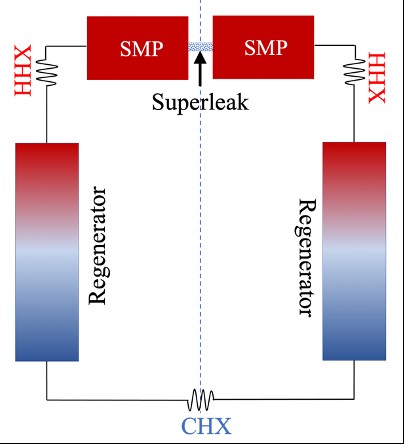 Introduction-Cryogenic detectors have higher sensitivity and better energy resolution than alternative sensors, making them an attractive option for space exploration and essential for observing low energy photons in the near- or far-IR, X-ray and submillimeter ranges.[1] Since NASA’s first cryogenic missions in the early 1980s, increasingly complex space detectors have required continuous advancement in cryogenic technology.[2]
Read More
Back to the Future: Combining Hydrogen Hybrid Technology and Enhancing Solar & Wind
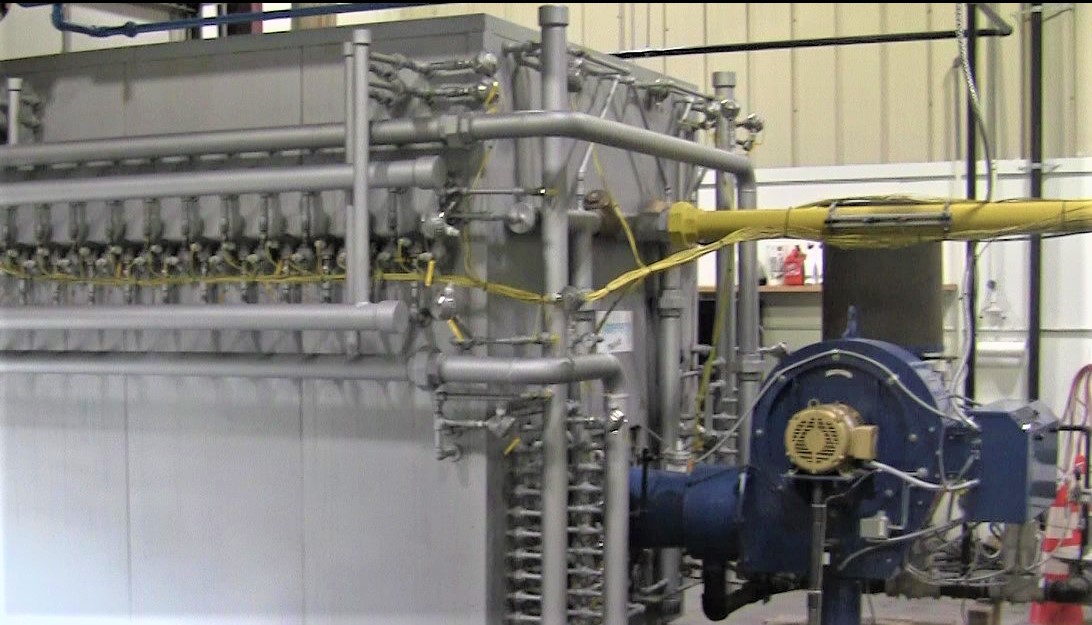 The first time I saw the first prototype of the Dylan Energy system, I thought of old Doc Brown and Back to the Future. Remember them? Doc invented something called the ‘Flux Capacitor.ʼ With the Dylan Energy system and our partners, we are capable of consuming 400 tons daily of municipal solid waste (MSW), commonly referred to as landfills, and producing 576 mW of electricity during a 24-hour period of time. This includes medical/drugs/sharpies; municipal and urban waste; industrial, pesticides and their containers; biomass; animal housing; coal; ashes from incinerators; sewage; galvanic sludge; organic sludge from petrochemical; materials with low radioactivity; used oils; batteries; tires; waste of explosive material; hazardous industrial waste; and plastics (with no restrictions).
Read More
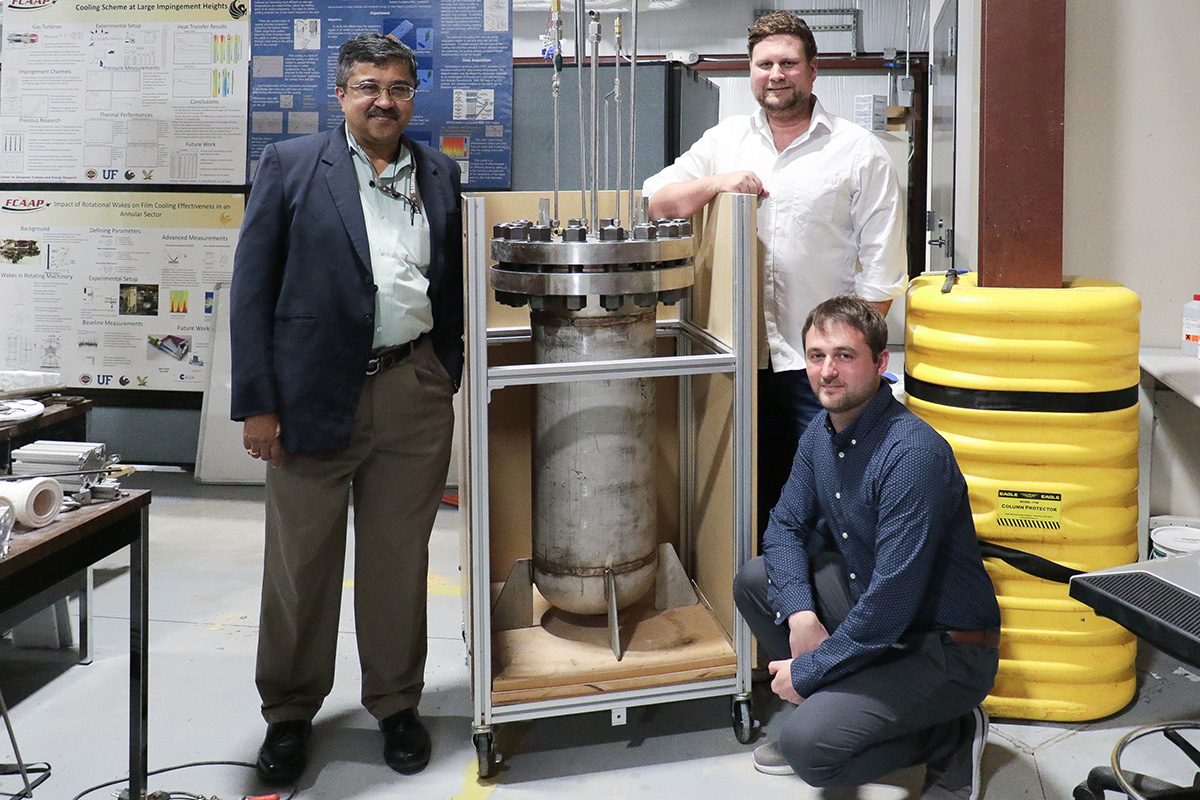 Back to the Future movie fans may remember the term “flux capacitor” as a fictional device that allows for time travel. That device still doesn’t exist, but a University of Central Florida storage technology does use a different type of flux capacitor developed by NASA. While trying to find a way to store renewable energy (like solar and wind) and then use it when needed, UCF Pegasus Professor Jayanta Kapat and researchers Marcel Otto and Ladislav Vesely found that NASA’s Cryogenic Flux Capacitor (CFC) could be part of the solution.
Read More
Commonwealth Fusion Systems Opens Fusion Energy Campus on the Fastest Path to Bring Clean Fusion Energy to the World
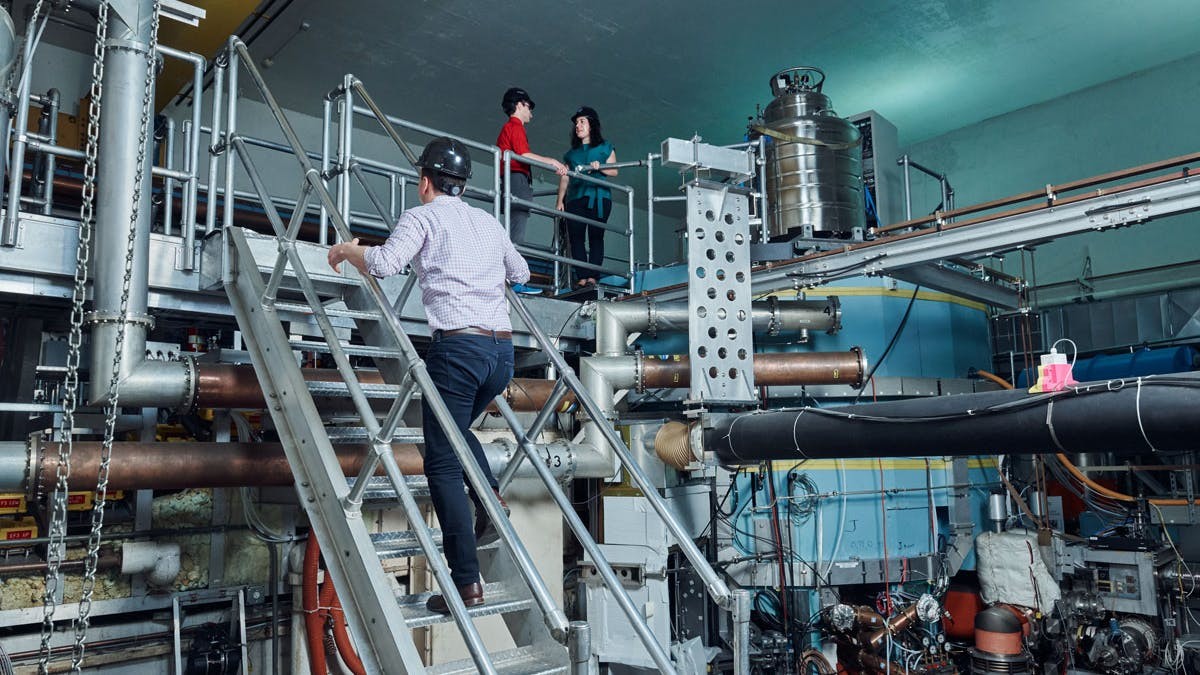 Commonwealth Fusion Systems (CFS) officially opened its new campus to support the development and deployment of commercial fusion energy. The ceremonial event included visits from U.S. Secretary of Energy Jennifer M. Granholm, U.S. Senator Elizabeth Warren, U.S. Senator Edward Markey, U.S. Representative Lori Trahan, Massachusetts Lieutenant Governor Kim Driscoll, along with a host of state and local leaders.
Read More
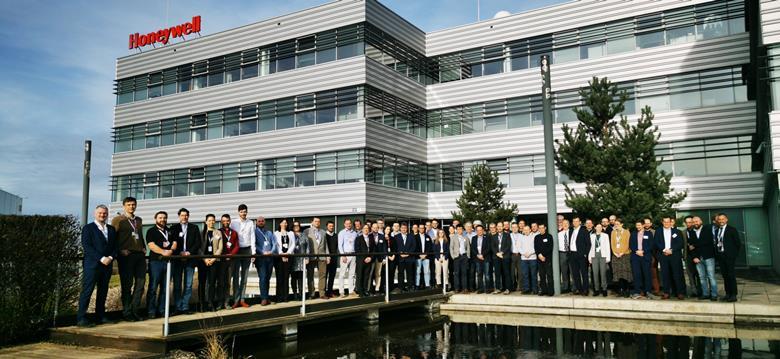 Honeywell Aerospace is confident that an EU-funded consortium it is leading can deliver a “commercially viable” high-power fuel cell powertrain for regional aircraft applications. Ground tests of the entire 1MW propulsion system – including an electric motor – will be performed in 2026 under the Clean Aviation-backed Newborn project. Although the system will only be taken to technology readiness level (TRL) 4 – or TRL5 for most components – Ondrej Kotaba, principal scientist at Honeywell Aerospace, insists the program is focused on eventual commercial applications.
Read More
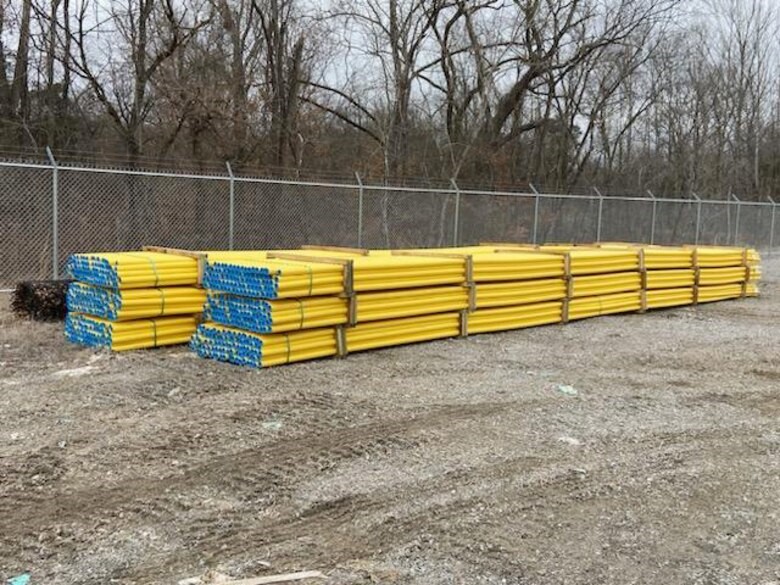 The U.S. Army Corps of Engineers Nashville District is executing a sustainability project funded by the Section 212 Program to install an upstream diffuser system at Wolf Creek on the Cumberland River in Jamestown, Kentucky. The district is partnering with power preference customers, the Southeastern Power Administration, and Tennessee Valley Authority to construct a cryogenic facility downstream of the dam and install 50,000 linear feet of oxygen diffuser lines that reach into Lake Cumberland.
Read More
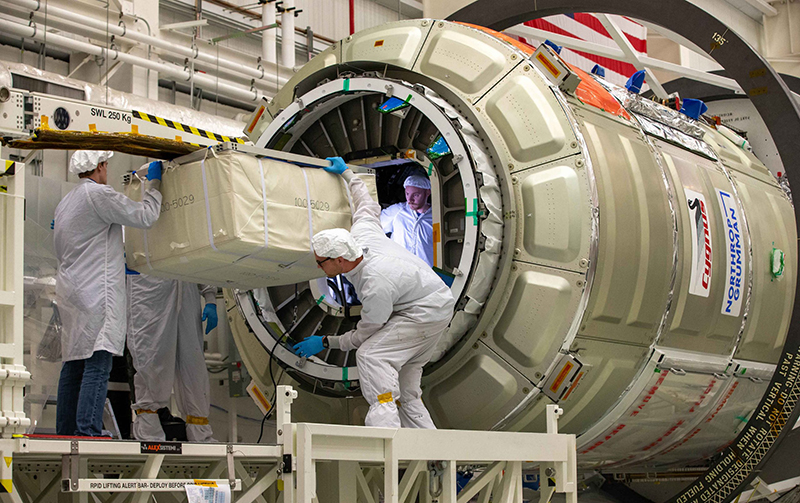 With temperatures on the moon ranging from -410° to a scorching 250° F, it’s an understatement to say that humans will need habitats with heat and air conditioning to survive there long term. But heating and cooling systems won’t be effective enough to support habitats for lunar exploration or even longer trips to Mars without an understanding of what reduced gravity does to boiling and condensation. Engineers haven’t been able to crack this science – until now.
Read More
A World-First in HTS Magnets
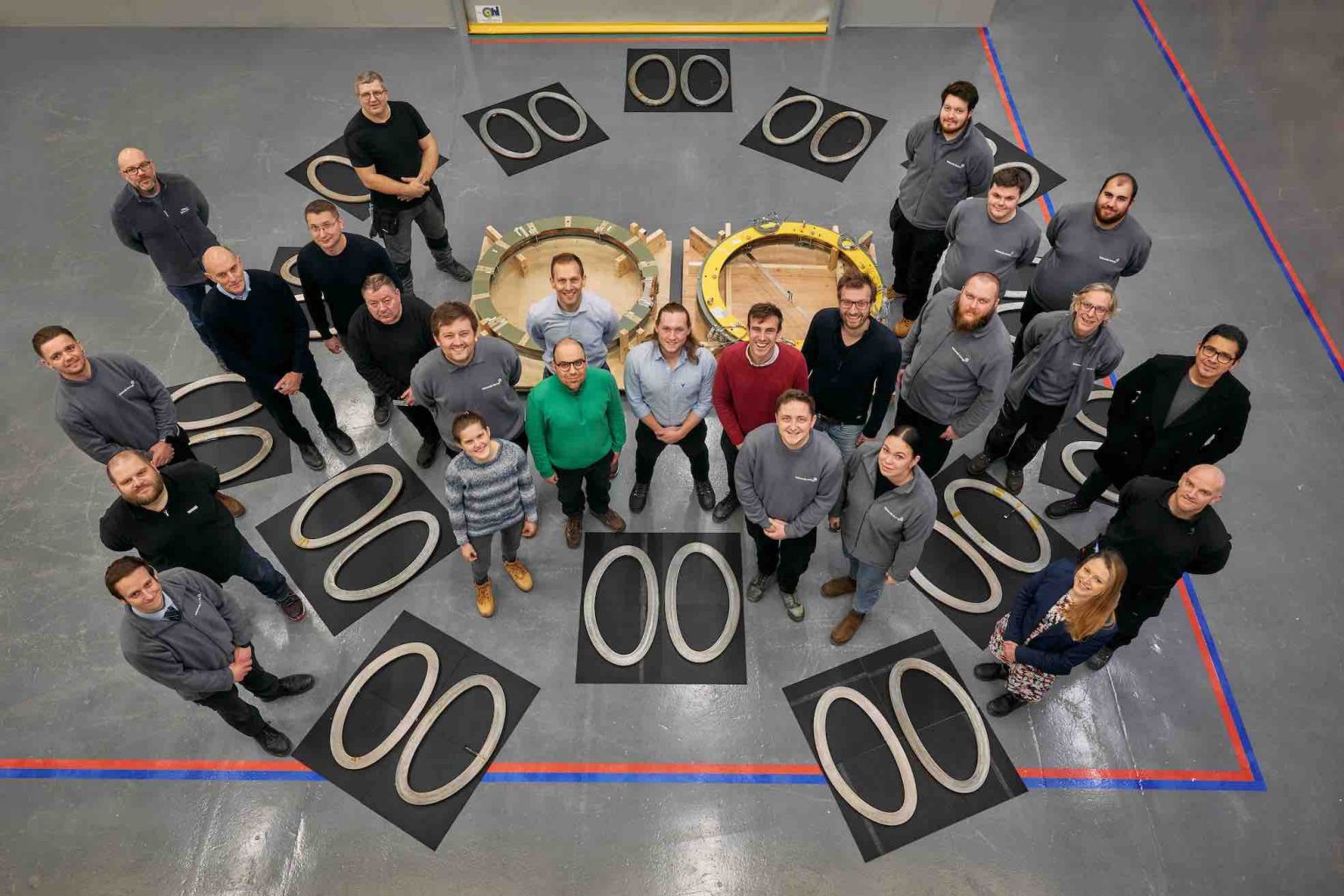 Oxford-based Tokamak Energy has built a world-first set of new generation high temperature superconducting (HTS) magnets to be assembled and tested in fusion power plant-relevant scenarios. Creating clean, sustainable fusion energy requires strong magnetic fields to confine and control the extremely hot, positively-charged hydrogen fuel, which becomes a plasma several times hotter than the sun.
Read More
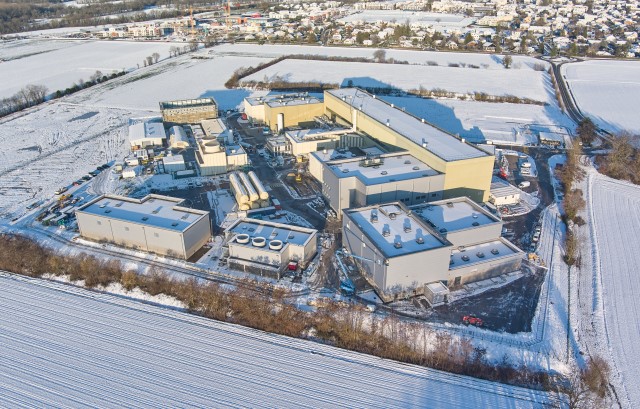 On January 20, CERN celebrated the completion of the civil-engineering work for the High-Luminosity Large Hadron Collider (HL-LHC), the major upgrade of its flagship collider, the LHC. Approved in June 2016 and due to start operating in 2029, the HL-LHC will considerably improve the performance of the LHC by increasing the number of particle collisions and thus boosting the potential for discoveries. The completion of the civil-engineering work marks the start of the transition towards the HL-LHC era; the new components for the collider will be installed in the caverns and galleries that are now ready.
Read More
 Once the James Webb Space Telescope (JWST) began operations last year, the comparisons began. Astronomers and others online posted side-by-side images of the same celestial objects captured by JWST and the Hubble Space Telescope, pointing out how much crisper and more detailed those from JWST can be. But don’t count Hubble out yet. The telescope, from NASA and the European Space Agency, is still making big discoveries, after going strong for nearly 33 years.
Read More
Upcoming Events
Wed Oct 14, 2026Hydrogen Innovation and Technology Conference Category: Industry Event (Non-CSA Sponsored) |
Mon Oct 26, 20265th International Workshop on Cooling Systems for HTS Applications Category: Industry Event (Non-CSA Sponsored) |
View Full Calendar
|
[Contact Jamie Luedtke for Newsletter Sponsorship] |
 High-performance, highly reliable, long-lasting storage tanks for transporting hydrogen& helium molecules around the globe.